A portrait of a learner gives us the same words for who we’re becoming — so we navigate what’s next together, instead of alone.
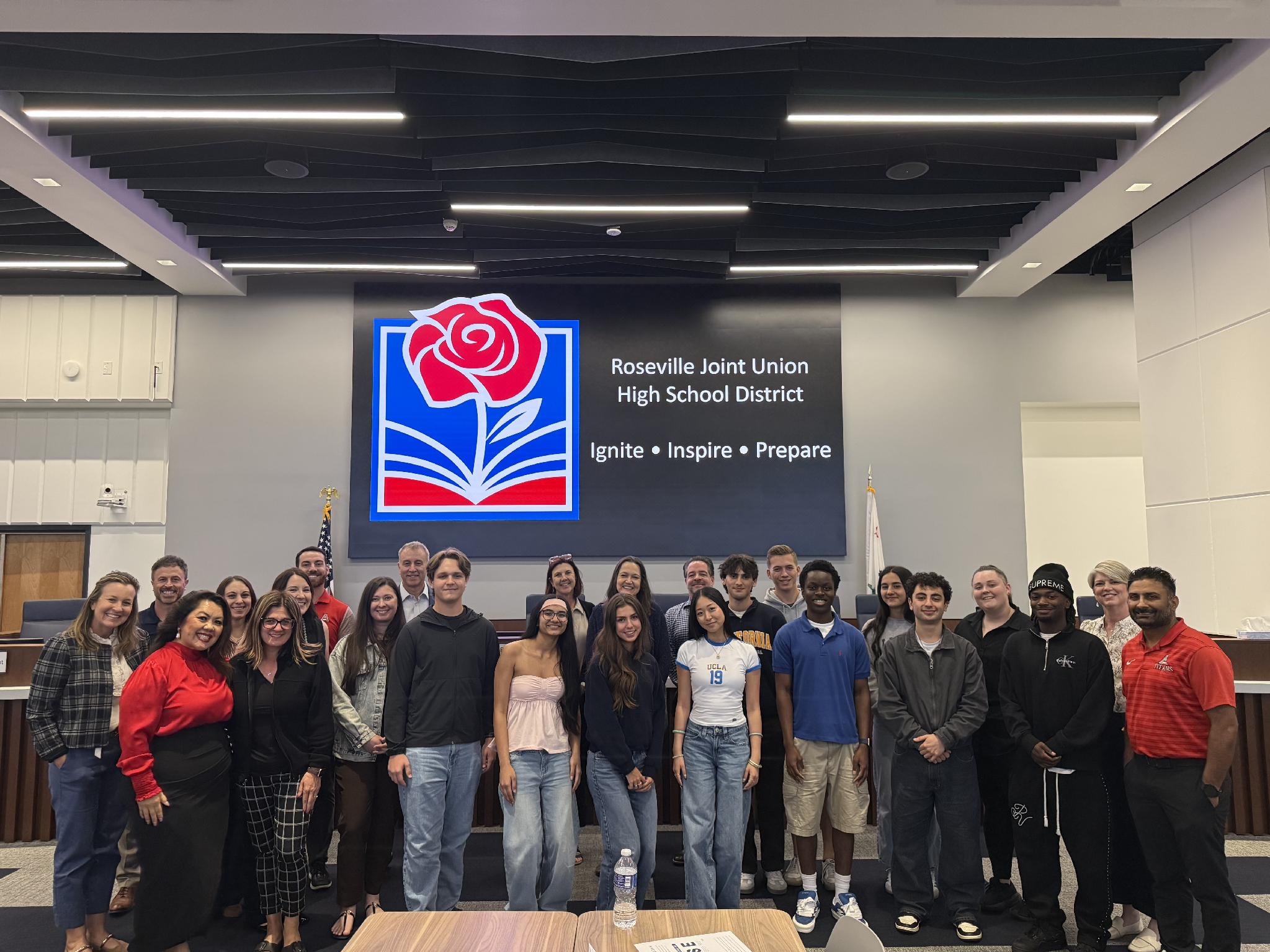
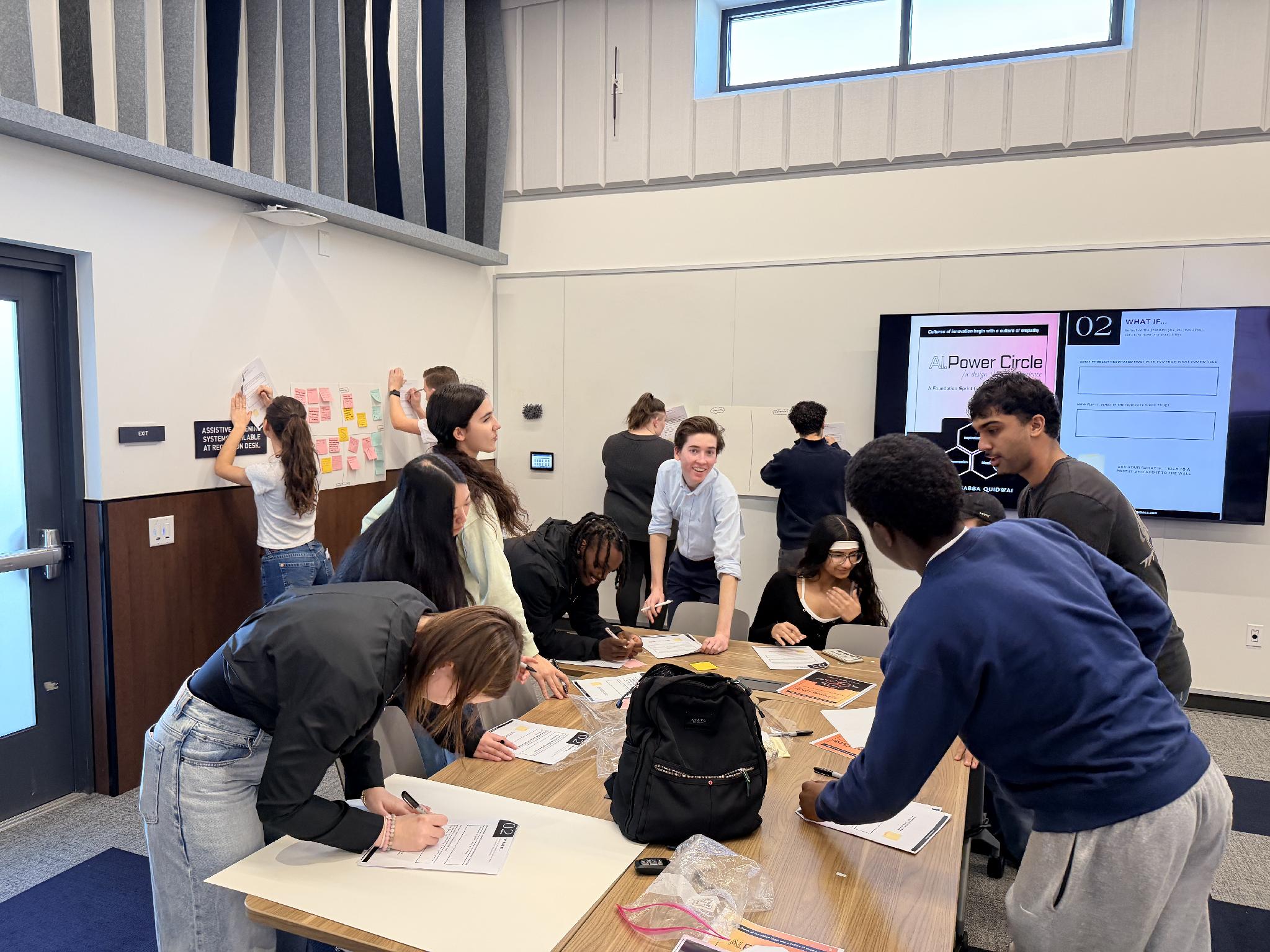
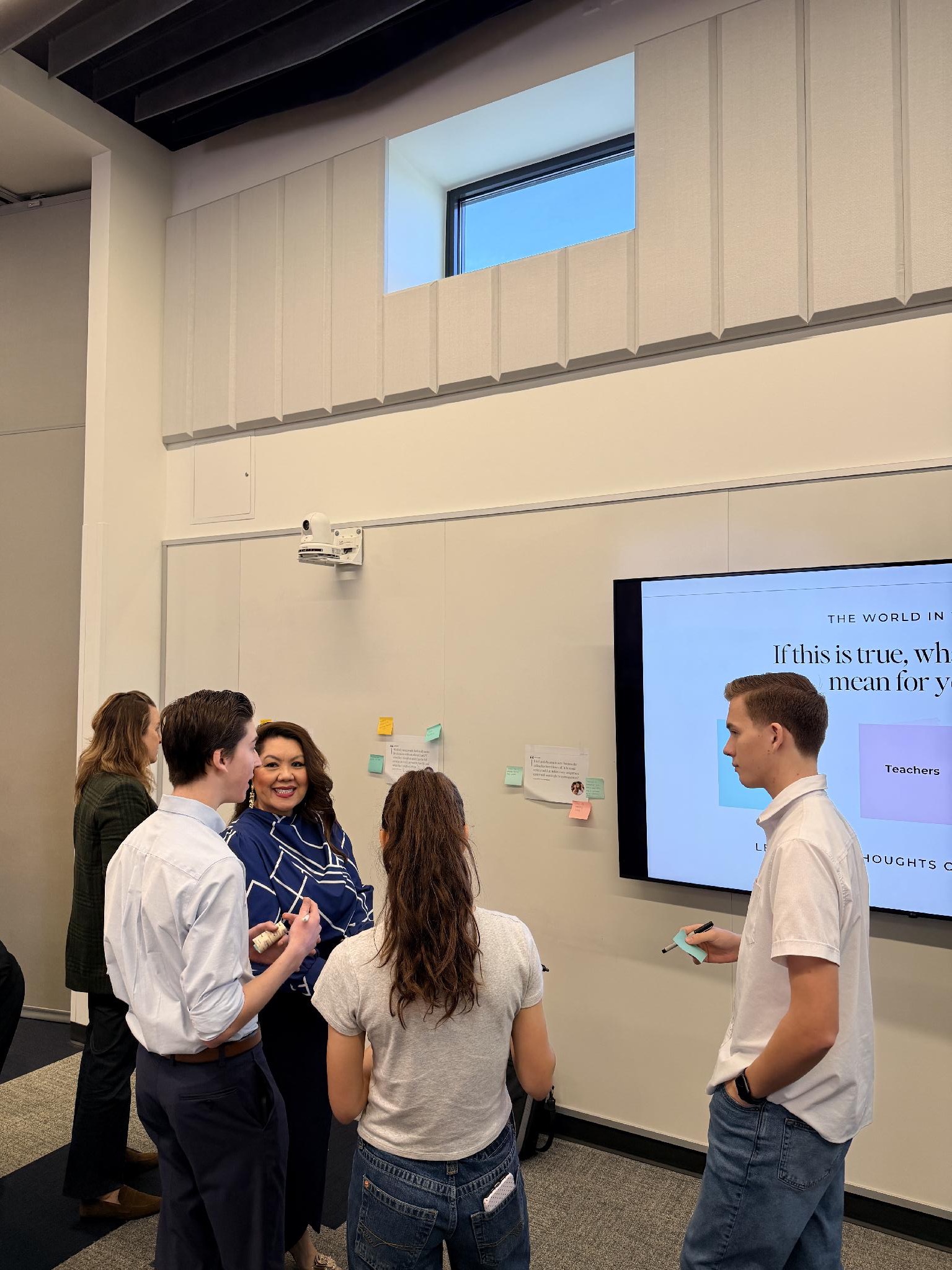
This profile was not written for the community — it was written with them. Students, teachers, counselors, and administrators at the same table, starting with empathy.
The same technology reads as a threat inside schools and as a requirement outside them. A portrait gives our learners the judgment to hold both.
of educators and school leaders worry AI use means students will cut corners.
of leaders say they wouldn’t hire someone who lacks AI skills.
Source: Microsoft Work Trend Index, 2023.

Students, families, and staff at all eight schools weighed in on what a Roseville graduate should be ready to do — with multilingual access for families.
Source: RJUHSD Portrait of a Learner survey, as of June 2, 2026.
Asked to choose the most essential skills for a Roseville graduate, respondents pointed first to thinking and communication — and named using AI wisely as the growing edge.
most essential · 1,104 voices
Top-three selections, 1,104 respondents. Source: RJUHSD Portrait of a Learner survey, June 2026.
Every audience rated all six characteristics highly — every cell sits at 4.0 or above. The portrait isn’t one group’s wish list; it’s a shared one.
Using AI wisely is the one consistent growing edge — the lightest row, and the clearest place to invest.
By respondent role; leadership (n = 4) omitted. Source: RJUHSD Portrait of a Learner survey, June 2026.
Nearly a thousand wrote in. The dominant message: AI should be a tool that sharpens thinking, not a shortcut that replaces it.
Use AI to extend the work — not to avoid it.
The human mind stays in charge of the judgment.
Be honest about when and how AI was used.
Check what the machine says before trusting it.
Themes from 949 open-text responses. Source: RJUHSD Portrait of a Learner survey, June 2026.
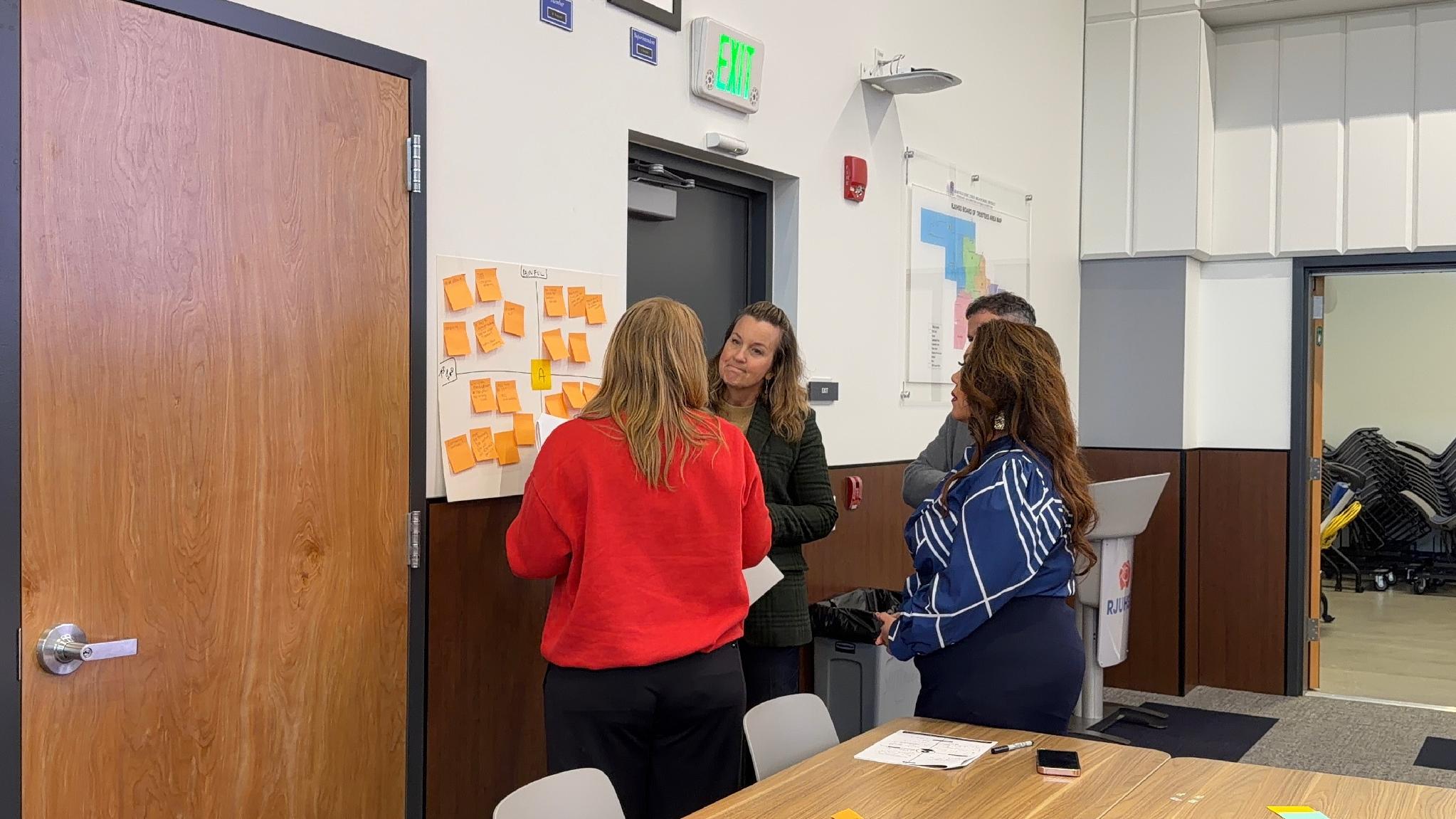
Across five design-council sessions, Roseville students, teachers, and leaders named what they want to protect. The portrait grew from these voices.
“I want to grow as a person — not grow the capabilities of an AI.”A Roseville student leader
“I want AI to withhold the answer — and make me go through the steps.”A Roseville student
“I want AI to be a tool, not a weapon in my learning — and to build confidence in my own thinking.”A Roseville student leader
Students, teachers, counselors, and administrators sat at the same table and shaped the language together — testing every word against real life before it became final.
Two rounds of drafting — one portrait the whole community could stand behind.

One learner, growing outward — from who they are, to how they work with others, to what they build in the world.
We discern what’s true and intentionally re-evaluate with an open mind.
With people: weigh a colleague’s view. With AI: question the answer before you use it.
We know what we stand for and show it through our actions.
With people: keep your word. With AI: be honest about how you used it.
We listen with care and speak with courage.
With people: hear before you respond. With AI: say clearly what you actually need.
We build together and learn from one another.
With people: share the work. With AI: treat it as one teammate, not the whole team.
Our voice is our power — for ourselves, for others, and for the future we want to see.
With people: speak up for what’s right. With AI: use it to amplify your voice, not borrow one.
We find our way and design a meaningful path, even when we can’t see where it leads.
With people: ask for help well. With AI: use it to open doors you couldn’t alone.
Agency is the thread that runs through all six characteristics and all three relationships — the learner’s hand on their own becoming.
For each characteristic we ask how we practice it with people — and how we practice it with AI. Keeping the human at the center of both is the human advantage.
Listening with care to a person. Exercising judgment alongside a colleague.
Partnering with a machine. Holding judgment alongside a chatbot — so AI elevates a Roseville learner instead of replacing them.
It is what lets AI elevate a Roseville learner — instead of replace them.
From our design council, a simple model for working with AI: a person sets the intent, AI helps in the middle, and a person makes the final call. Keep both ends human, and the tool elevates the learner instead of replacing them.
“The human is the beginning and the end. AI is the middle.” — A Roseville teacher
When students, teachers, counselors, and families share the same words for who a Roseville learner is becoming, those words stop living on a wall — and start showing up in how we teach, and how we talk with students.
That shared language is the foundation. Everything we design this year builds on it.
Teachers name the characteristics in the work students are already doing.
Counselors use the portrait to talk about growth, not just grades.
Families see the same picture of success the district is building toward.
The portrait is the foundation. This year, we build on it together.